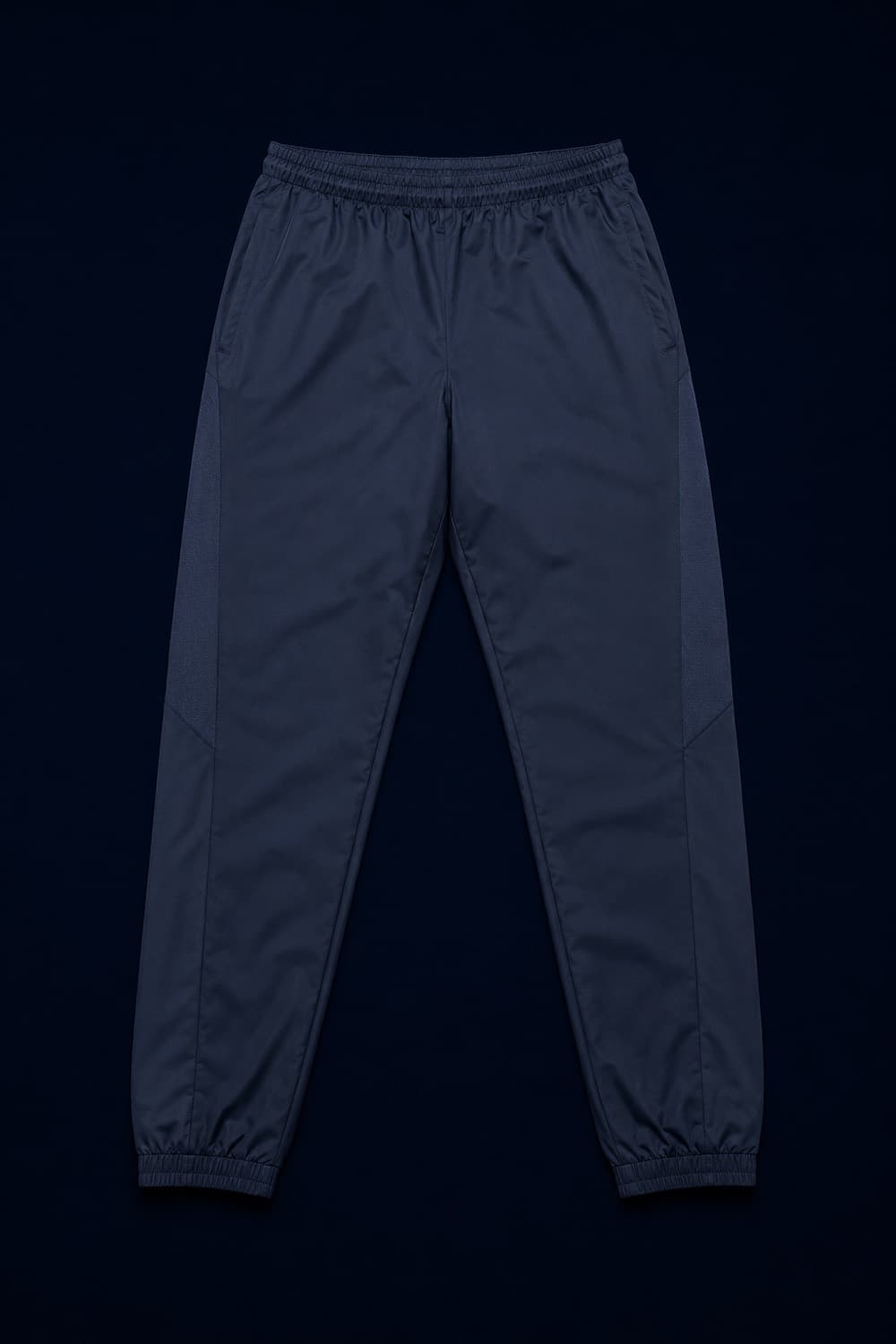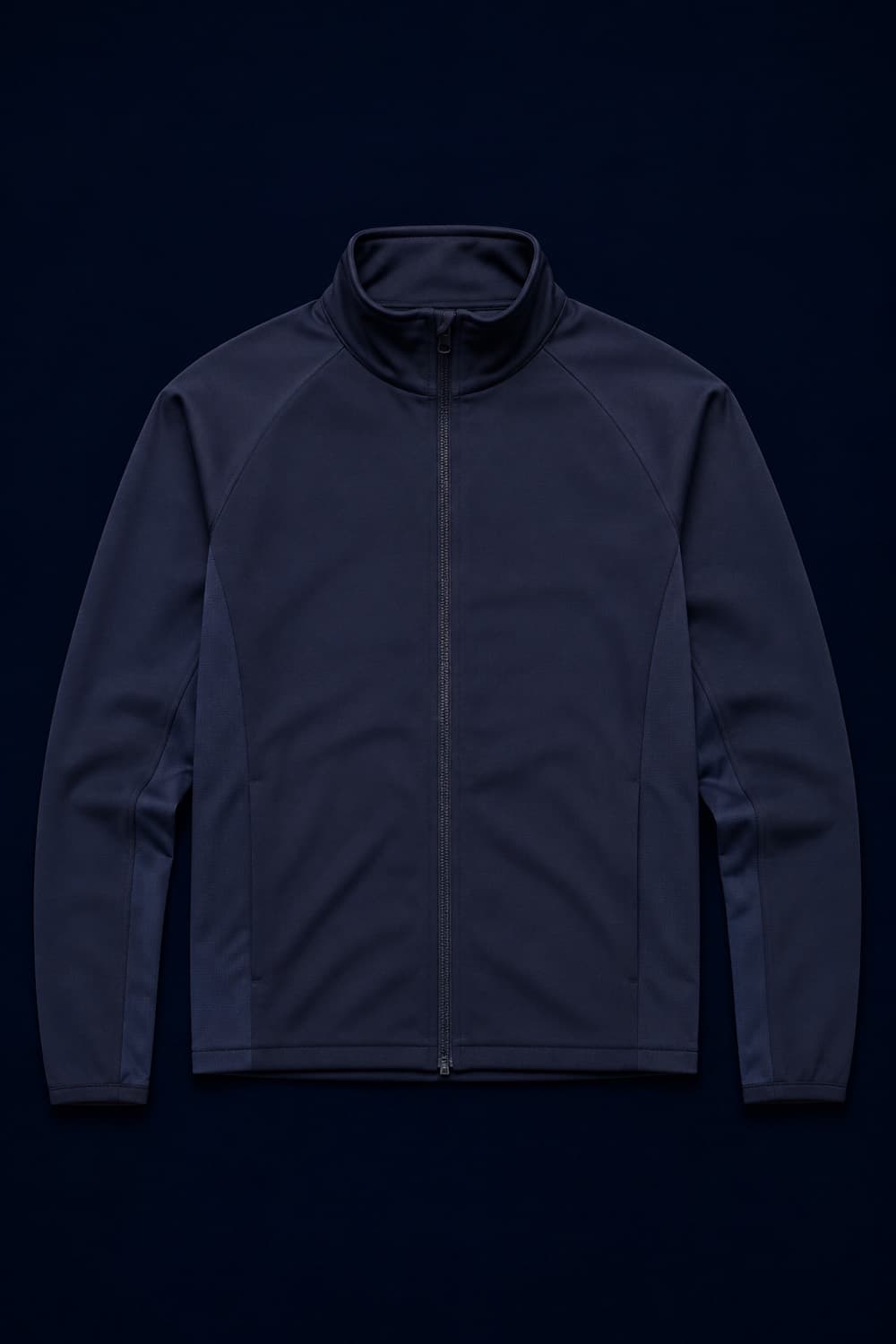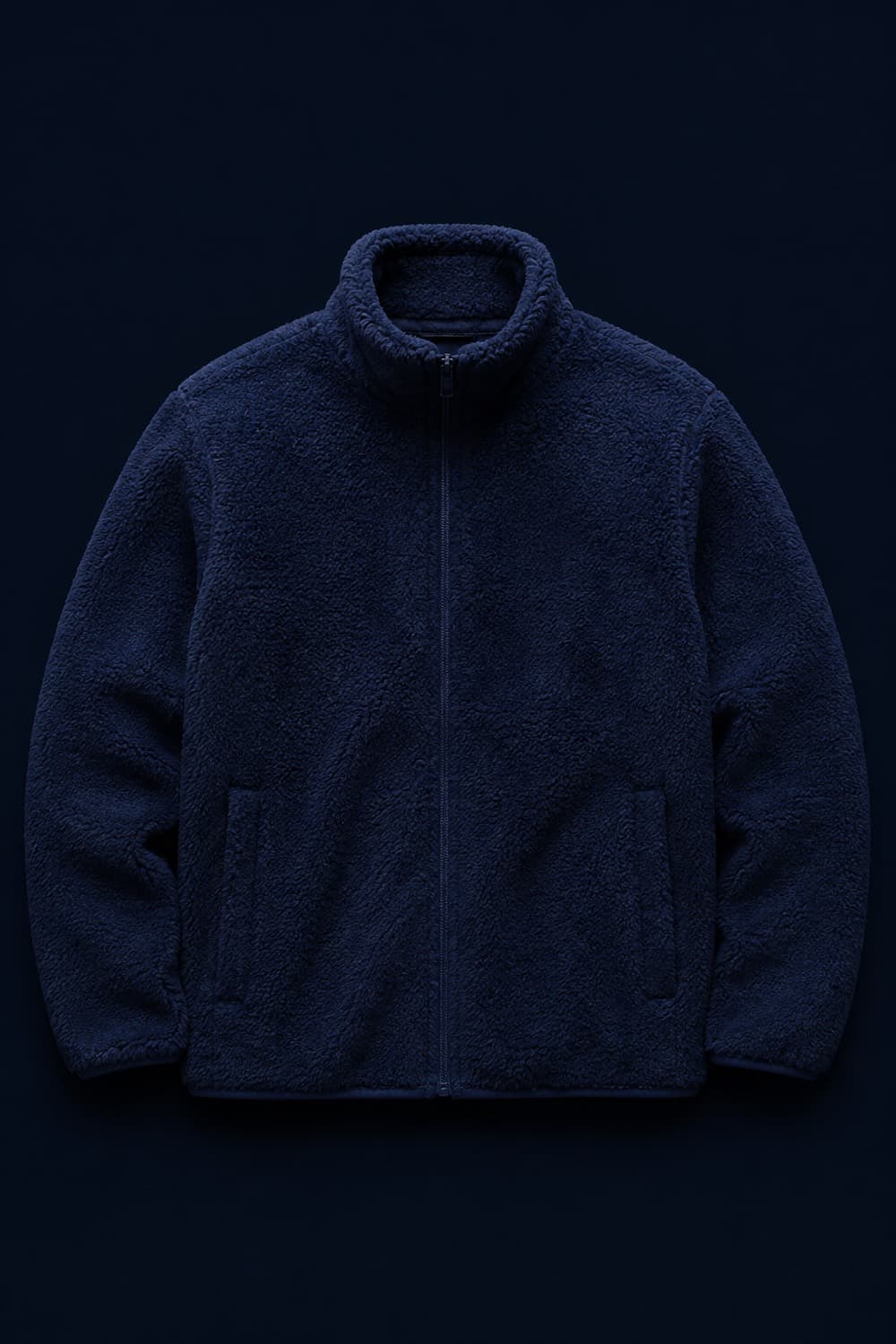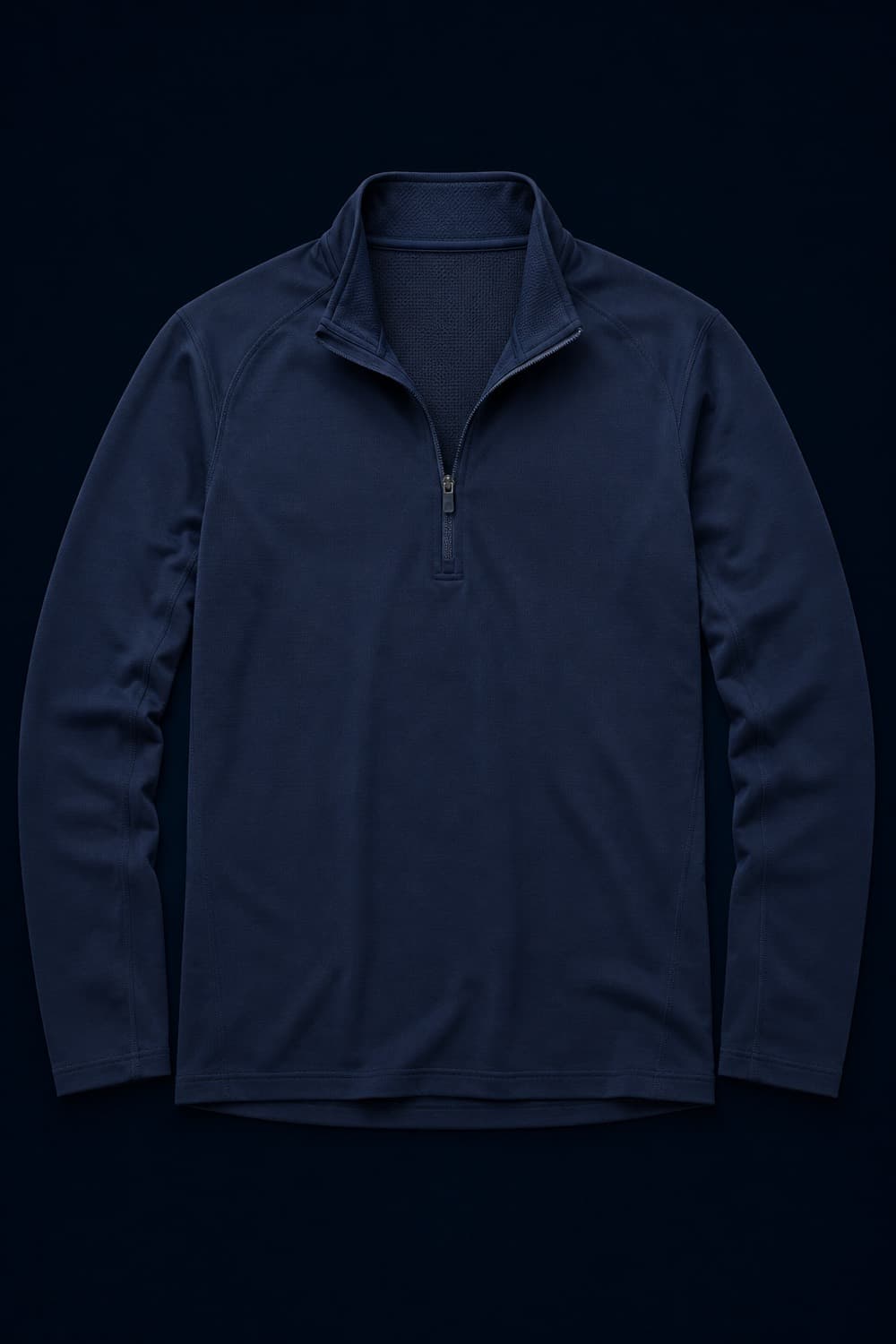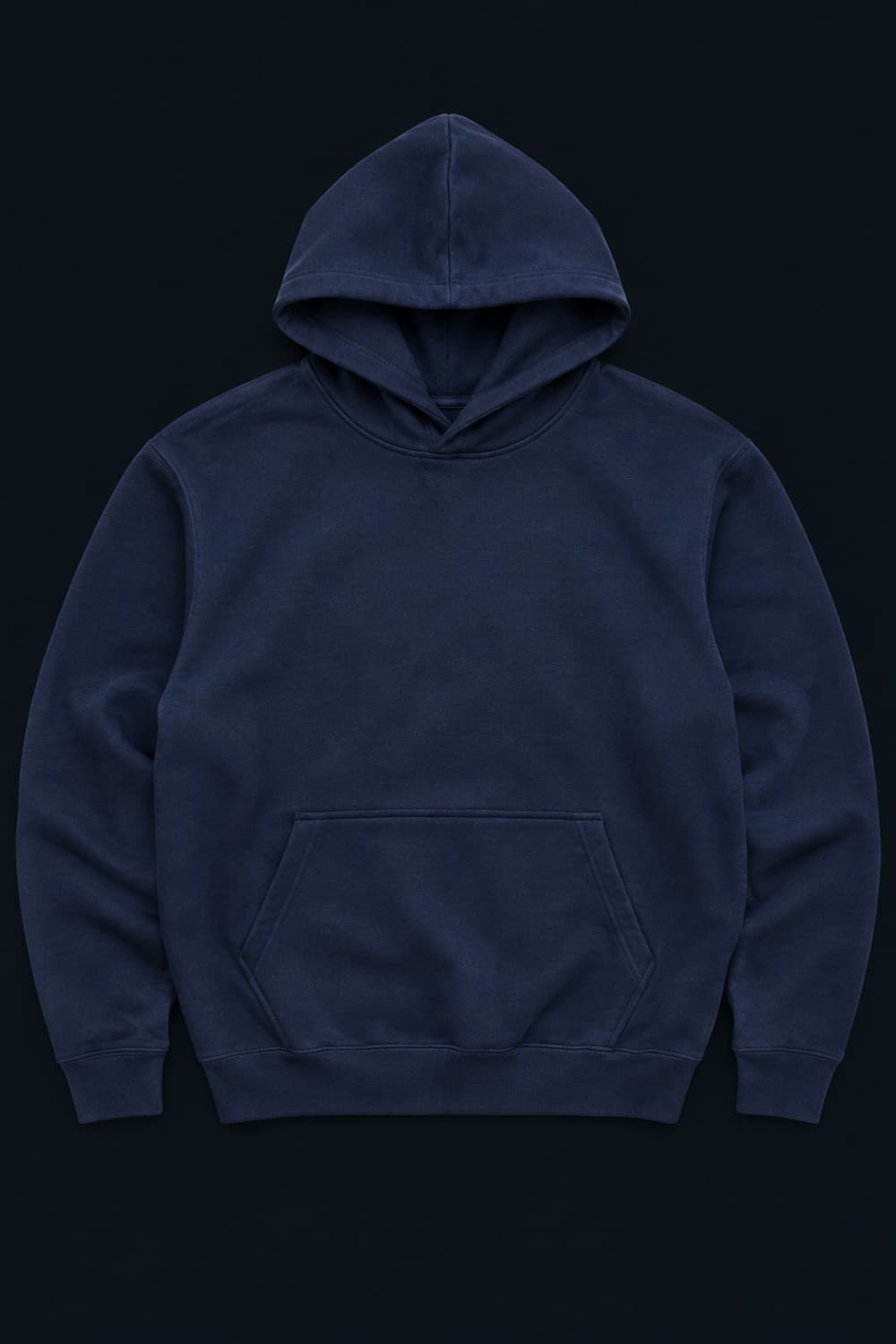
Warm-Up Hoodie laid flat
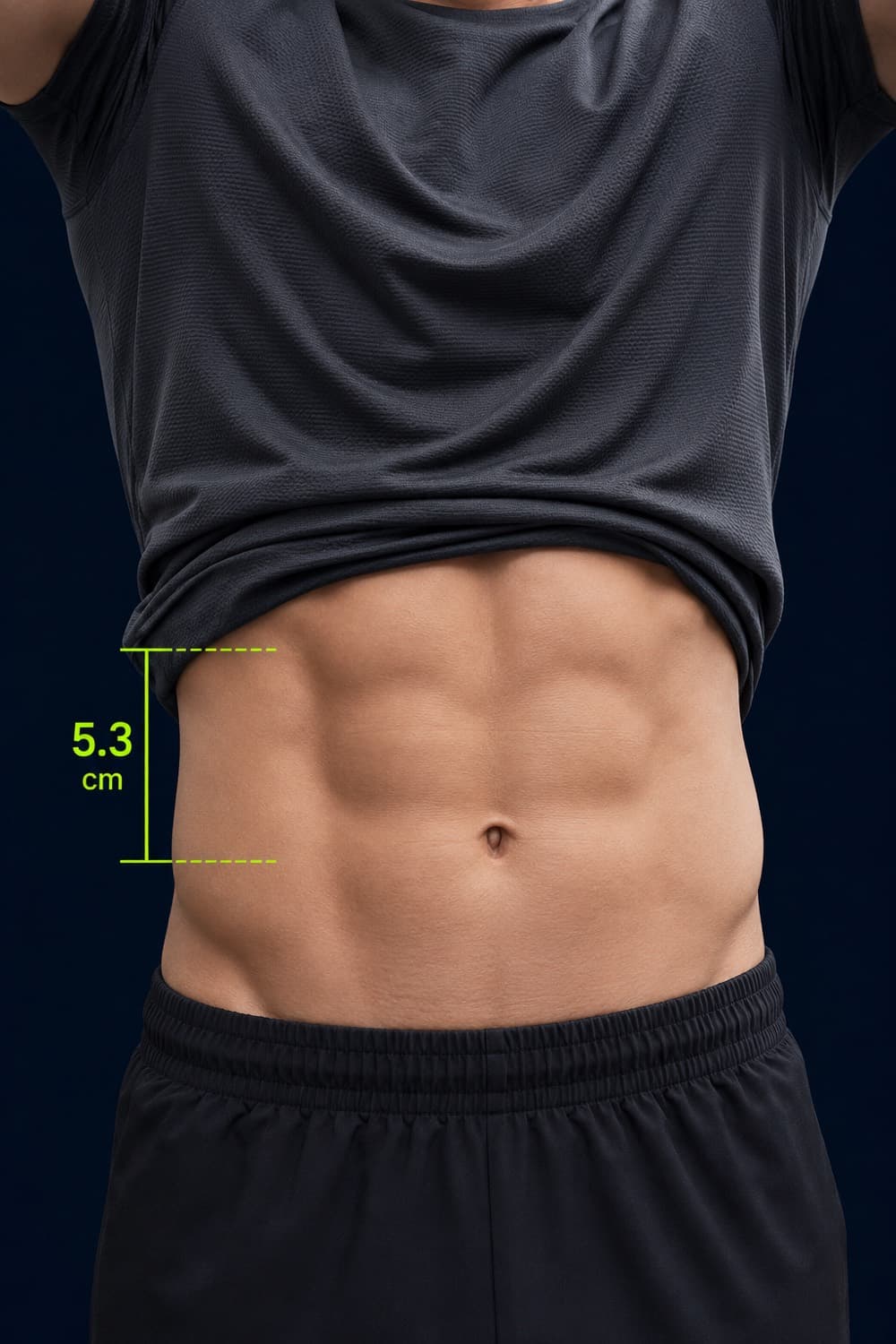
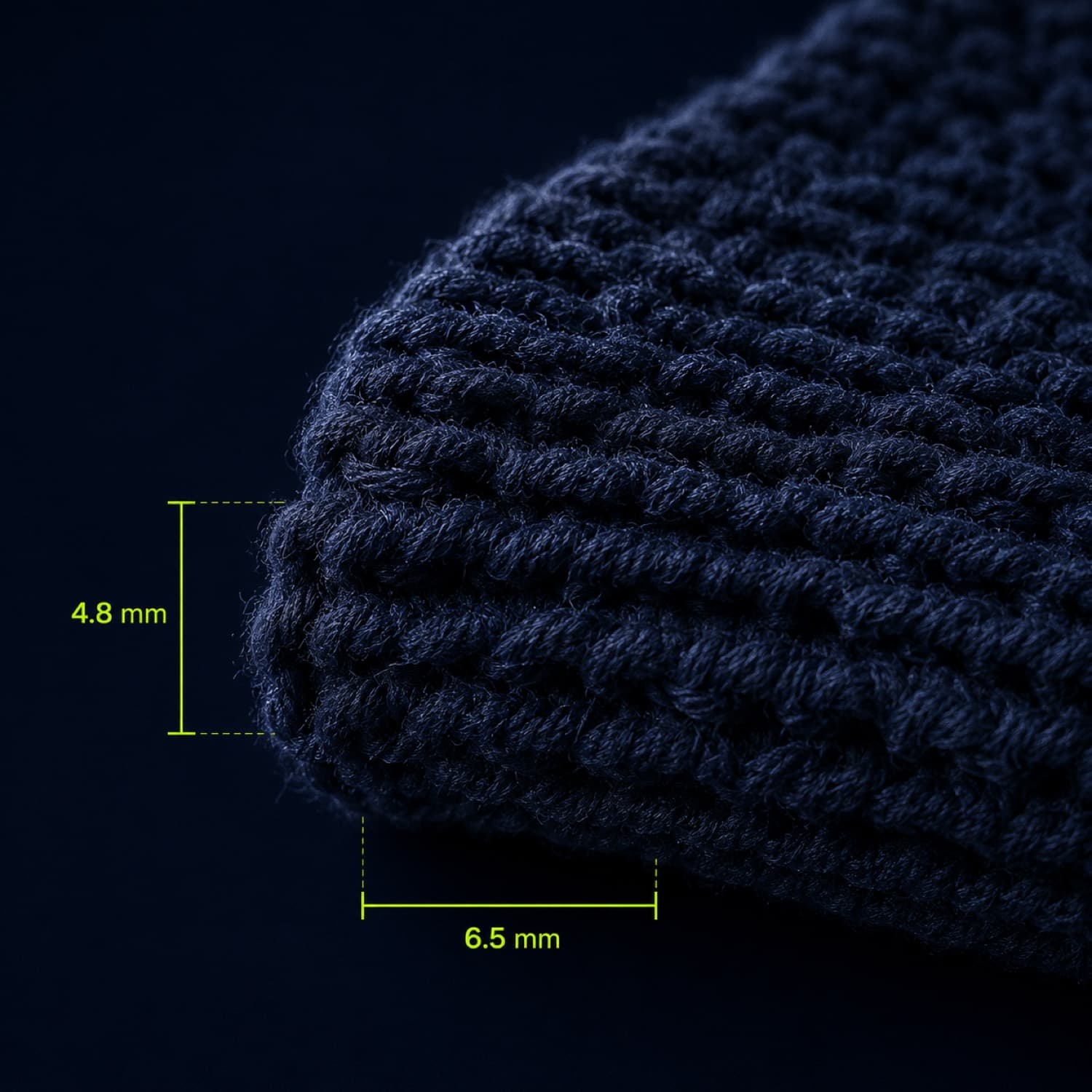
E-01 · Layers
Warm-Up Hoodie
USD 78
A hood for the twenty minutes before you start. It takes 88 minutes to dry, so don't soak it.
MEASURED
PROPERTIES
Everything in this table is a property of the fabric or the construction. None of it is a statement about what the garment does for your training.
21 °C · 50% RH · no forced air · hung, not laid flat
- Drying time
- 88 minThis is a lab-style comparison between our own items. Your gym, your sweat rate and your airflow will give different numbers.
- Fabric weight
- 310 g/m²
- Stretch
- Two-way
- Seams
- OverlockThe hood seam sits at the back of the neck. The pocket bag doubles the fabric at the front.
- Construction
- Brushed-back knit, lined hood, kangaroo pocket
- Shrinkage
- Up to 4%Measured after five washes at 30 °C and line drying.
- Elasticity over time
- See noteAfter roughly 60 warm washes the waistband and cuffs sit slightly looser than new. That is wear, not a fault.
- Country of manufacture
- On the care labelThe country of manufacture is printed on the care label of every item. Our garments are not made in Sweden and we do not describe them as Swedish or Scandinavian.
Fibre composition (legal names)
- Polyester
- 94%
- Elastane
- 6%
Finished measurements, cm
| Size | Chest, flat | Body length | Sleeve length |
|---|---|---|---|
| S | 58 | 70 | 60 |
| M | 64 | 72 | 61.5 |
| L | 70 | 74 | 63 |
| XL | 76 | 76 | 64.5 |
These are the measurements of the garment laid flat, not body measurements. We do not ask for your body measurements anywhere on this site.
YOUR RIGHTS
ON THIS ORDER
3 years to report a fault
You can report a fault for three years from delivery. For the first two years, if something is wrong, we have to show it was not faulty when you got it. Not the other way round.
Reklamation14 days to change your mind
Counted from the day after delivery. Trying it on, and squatting in front of a mirror at home, is reasonable inspection and does not affect this right.
ÅngerrättA published drying time is a claim
If the measured drying time is significantly longer than the figure on this page, that is a fault, not wear. The same goes for an opacity result and for shrinkage beyond the stated range.
The method